Voicemod and Soundboards in Mimic the Voice
Fairness, detection risk, and why practicing the real cue beats canned audio in a pitch-and-rhythm game.
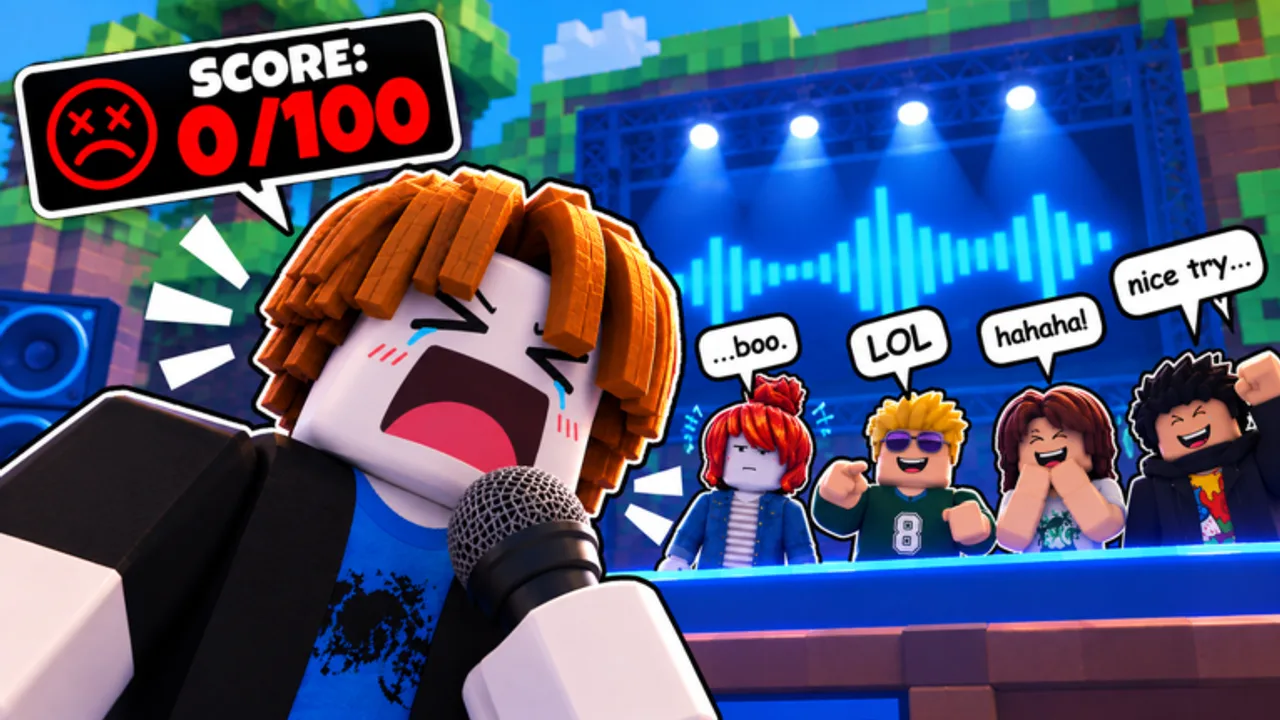
The temptation is obvious
Mimic the Voice asks you to recreate a sound with your microphone while strangers rate you live. Desktop tools like Voicemod, Clownfish, virtual cables, and meme soundboards promise perfect clips on a hotkey. In a chatty hangout that can be funny. In a game scored on rhythm and pitch, it is a different ethical and practical problem.
This guide is not a setup tutorial for cheats. It explains why canned playback often fails the scorer, why lobbies hate it, what detection and moderation risks look like, and why the how to win path — clean mic, honest takes — is the better long-term bet. For device routing basics without soundboard culture, start with mic setup. For malware-adjacent “auto win” downloads, read script safety.
What the game is actually judging
Every competitive turn blends:
- An automatic read of timing and pitch contour against the cue.
- Human star ratings from everyone else in the server.
A soundboard can paste a pristine sample into your virtual mic. That does not guarantee either meter moves in your favor:
- Playback latency from virtual cables often shifts your attack off the downbeat.
- Compressed meme files miss the cue’s exact melody, formants, or silence gaps.
- Raters hear “that was a Discord board,” not “that was a brave live attempt,” and bomb stars.
- Stacked voice changers smear consonants the scorer needs for short SFX cues.
In short: the fantasy of free perfect scores rarely survives contact with a real lobby.
Fairness — the social contract
Public Mimic the Voice is a party competition. The fun assumes every finalist is producing sound with a mouth, not a folder of .mp3 hotkeys. Using a soundboard to fake a mimic breaks that contract the same way a pre-recorded karaoke track would break a singing contest.
Contexts where people still reach for boards:
- Private friend servers running explicit chaos rules (see owner servers).
- Non-scored lobby banter between rounds.
- Content creators who disclose “board bit” clearly to their audience.
Contexts where it is widely considered toxic:
- Silent board use in public elimination rounds.
- Playing the exact cue file back as if you performed it.
- Harassing other players with ear-rape spam through VC.
If your group wants chaos, say so out loud before round one. Surprise board spam is how you earn a reputation that follows you into the next server.
Built-in voice effects vs external changers
Mimic the Voice already sells optional mic voice effects through Party and Chaos packs (Chipmunk, Demon, Echo Chamber, and friends). Those are first-party cosmetics the developers chose to support. They still can hurt clarity if you stack them on a bad room, but they are part of the intended toy box.
External Voicemod-style chains are different:
- They sit outside the game’s balance expectations.
- They introduce driver complexity and mute accidents.
- They make troubleshooting harder when Mic Ready flakes.
Prefer unlocking in-game Style effects after your default voice already wins matches. Effects are spice; they are not a substitute for matching the cue.
Detection risk and platform rules
Roblox Voice Chat moderation focuses on behavior and policy, not on grading your artistic integrity like an anti-cheat for FPS aimbots. That does not mean soundboards are “undetectable and safe”:
- Report volume: lobbies that hear obvious board spam will report voice abuse.
- Disruptive audio: blasting boards at abusive volumes can trip voice moderation or get you server-kicked by hosts.
- Account tooling risk: many “free Roblox soundboard + executor” bundles are malware. The board is the bait; the payload is the problem. See script safety.
- ToS adjacency: anything that modifies the Roblox client or automates play is a separate, much more serious violation than a desktop audio utility. Do not confuse Voicemod with an injector.
Practical stance: even when a pure desktop soundboard is “just audio,” the social and report risk in a judged mimic game is high, and the skill benefit is low.
Why practice beats playback
Players who climb win rate do boring, effective things:
- Headphones so the cue does not loop into the mic.
- Quiet room, correct input device, confirmed Mic Ready.
- Hum the home note before committing.
- Match rests and cutoffs instead of filling silence with laughs.
- Review lost cues and drill them — owner servers with pick sounds are perfect for this.
- Stay fair on stars so the lobby culture mirrors back.
None of that requires a subscription voice changer. It requires the same muscles stage actors use: listen, breathe, commit. Soundboards atrophy those muscles. The first time a public lobby throws a cue you did not pre-load, you freeze.
If you already use Voicemod for other games
You do not need to uninstall your whole audio stack. For Mimic the Voice sessions:
- Bypass the virtual mic; select your hardware microphone in Roblox.
- Disable soundboard hotkeys so accidental presses do not ruin a take.
- Turn off heavy realtime FX that add latency.
- Re-run the mic setup checklist after every driver change.
- Only re-enable boards for games where performance is social, not pitch-scored.
Treat Mimic the Voice like a ranked singing night, not a meme VC hub.
Healthier comedy alternatives
Want laughs without faking the mimic?
- Commit to a slightly wrong but rhythmic live take — crowds reward effort.
- Use first-party Chaos effects sparingly after you own the contour.
- Save jumpscare chaos for consenting owner servers, not public grief.
- Spectate creative fails and learn timing instead of replacing your voice.
Comedy that still came from your throat keeps the genre honest.
Related pages
If the cue is hard, simplify your live performance. Do not outsource it to a folder of memes — the scorer and the crowd can usually tell.
Frequently Asked Questions
Quick answers to the most common questions.
Is using Voicemod banned in Mimic the Voice?
Desktop voice tools are not the same as client injectors, but obvious soundboard mimic fakes are widely considered unfair, get you reported, and often score worse than a real attempt.
Will a soundboard give me perfect pitch scores?
Usually no. Latency, file mismatch, and missing silence gaps hurt the auto score, while players punish canned audio with low stars.
Are in-game Party or Chaos voice effects cheating?
No. Those are official cosmetics. They can still muddy clarity, so master a clean default voice first.
What is the biggest risk with “Roblox soundboard” downloads?
Bundles that mix boards with executors or cracks are a common malware path. Prefer official audio apps and read the script safety guide.
Can I use a soundboard in private friend lobbies?
Only with clear consent and house rules. Do not surprise public lobbies or pass board playback off as live skill.
What should I do instead of relying on a board?
Fix mic setup, practice weak cue types, and follow how-to-win habits. Live consistency beats hotkeys in this genre.